
The BEYOND Series is an NFCC blog series created as part of our 35 Days of Giving campaign. Through personal stories and reflections from our team, we're taking a deeper look at the programs, people and partnerships that help our neighbors move beyond immediate hardship toward lasting financial stability.
Beyond the Check:
Why Financial Assistance Is About More Than Money
By Myriam Martinez, Case Manager, North Fulton Community Charities
When someone comes to North Fulton Community Charities (NFCC) for financial assistance, they’re usually facing a difficult situation. Maybe they’ve lost their job, experienced an unexpected medical expense or fallen behind on rent.
But what I’ve learned is that the financial crisis is often only part of what they’re carrying.
There’s also anxiety, uncertainty and, sometimes, a tremendous amount of shame.
Since joining NFCC in March, one of the things that has surprised me most is how often people feel they need to justify simply being human.
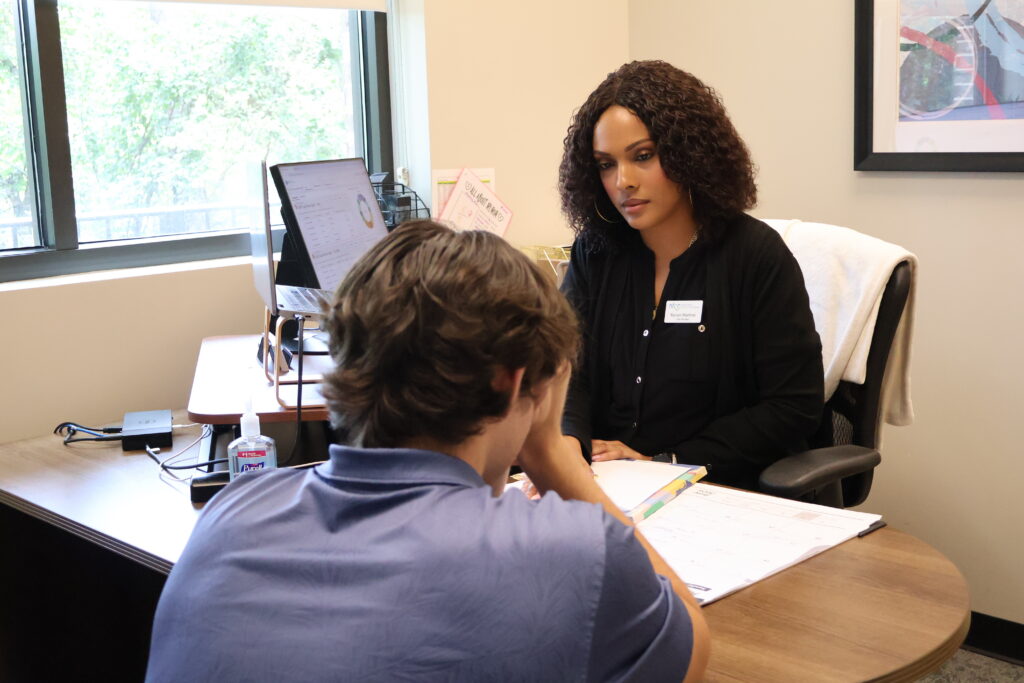
During our financial assistance appointments, we review household budgets and talk through expenses. It’s an important part of understanding someone’s circumstances and identifying how we can help.
But I’ve noticed that people sometimes feel they have to explain every purchase, every decision and every small moment of enjoyment in their lives.
I remember talking with a mother of four who felt guilty about occasionally paying a babysitter so she could have dinner by herself.
She was raising four children, managing a household and navigating financial hardship. Yet she felt she had to defend taking a little time for herself.
That conversation stayed with me.
Financial hardship can make people feel as though they’re no longer entitled to the things that make them who they are.
And I don’t believe that should ever be the case.
Our Circumstances Don’t Define Us
My perspective on this work comes from my own experiences.
I grew up in an immigrant family. We didn’t have a large support system here, and there were times when my family depended on government assistance.
My mother also spent nearly 25 years fostering children, so I grew up with an awareness of the challenges families can face and the importance of having someone willing to help.
Those experiences shaped the way I see the people who come into my office today.
I know that life doesn’t come with a single set of instructions. People have different backgrounds, responsibilities, experiences and challenges. Sometimes things happen that we couldn’t have anticipated. Sometimes we make decisions we wish we’d handled differently.
Neither should determine whether we deserve compassion.
One of the most important things I try to do during an appointment is help someone separate their circumstances from their identity.
Instead of thinking, I’m bad with money, we can look at the actual situation: I have an overdue bill. Here’s what I owe. Here’s what I have. What can I do next?
That shift matters.
A financial problem becomes something we can talk about, understand and begin to address rather than something that defines a person’s worth.
Creating Space for Honesty
Asking for financial assistance can be intimidating.
We ask people to share information about their income, expenses and circumstances. Those conversations are necessary, but they’re also personal.
And when someone is already feeling vulnerable, the fear of being judged can make the experience even harder.
I remember a client who was afraid to tell me that he’d been fired from his job. He thought that if I knew what had happened, he wouldn’t be able to receive help.
When we finally talked honestly about his situation, I explained that what I needed to understand was that he no longer had that income.
He didn’t need to present himself as a perfect person to deserve an opportunity to move forward.
That experience reinforced something I’ve come to believe deeply: people need to feel safe enough to tell their stories.
It also helped inspire a video I created to explain what neighbors can expect when they come to NFCC for a financial assistance appointment.
One client had told me she was so nervous about her appointment that she couldn’t sleep the night before. She thought she might be criticized or forced to sit through a lecture about managing money.
I never wanted someone else to feel that way.
I wanted people to know that while there is a process, our purpose is to understand their circumstances and explore how we can help.
Planting Seeds of Hope
Not every financial challenge can be resolved in a single appointment.
Sometimes we can help someone address an immediate need. Other times, we talk through possible next steps, explore available resources or help them see their situation differently.
But I believe every interaction is an opportunity to make a difference.
A client once reached out to thank me for making them feel human and allowing them to let go of the shame they’d been carrying.
Messages like that remind me why I do this work.
Of course, financial assistance matters. Helping someone stay in their home or manage an unexpected expense can make an enormous difference.
But so does helping someone believe that their circumstances can change.
I often think of it as planting a seed.
I may not get to see every step of someone’s journey. I may not know exactly what happens after they leave my office.
But I can listen. I can treat them with dignity. I can help them understand their options. And I can remind them that one difficult chapter doesn’t have to become their entire story.
That’s what going beyond the check means to me.
It’s recognizing that behind every request for assistance is a person with a history, a family, hopes and plans for the future.
And sometimes, the first step toward financial stability is simply having someone believe that you can get there.
Through financial assistance, case management and connections to additional resources, NFCC helps neighbors navigate financial hardship and work toward greater stability. Community generosity makes this work possible.
Support NFCC’s 35 Days of Giving and help more neighbors take their next step forward.